When making fermented food, beware of acidosis by rice yeast.
Recently, a news that "residents ate sour soup at dinner, causing many people to die of poisoning" has aroused widespread concern in society. After further laboratory tests, it was finally determined that it was a food poisoning incident caused by rice fermentation acid produced by Pseudomonas cocoanum pollution. So, how can traditional food sour soup be toxic? What is the yeast acid, and how is it produced? Why can eating sour soup cause poisoning? In order to avoid the recurrence of similar tragedies, the relevant knowledge is now introduced.
Eating sour soup caused many deaths.
On October 5, 2020, a family of nine people in Jidong County, Heilongjiang Province was poisoned by eating homemade "sour soup" at home. Although rescued by many parties, all nine people died by October 19. Later, the local health and health department released the cause of poisoning of spoiled sour soup: high concentration of rice fermentation acid was detected in corn flour, and it was also detected in the patient’s gastric juice, which was finally identified as a food poisoning incident caused by rice fermentation acid produced by Pseudomonas cocoanum pollution.
Sour soup is a traditional food popular in eastern Liaoning, southeastern Jilin and eastern Heilongjiang. It is a kind of coarse noodle-like fermented rice flour food made by corn mill fermentation, which will taste sour and fragrant. It is said that in Northeast China, it is a kind of snack juxtaposed with sauerkraut and sticky bean bag, and it is also an old taste missed by traditional Northeast people.
Perhaps many people don’t understand why this traditional food suddenly caused such a serious poisoning incident. In fact, as early as the 1960s, scholars have found that sour soup can cause serious food poisoning. In 2015, Liaoning Food and Drug Administration announced in the second phase of food safety tips that we should change customs, do not make or eat fermented rice and flour foods, and should try our best to abandon this old and bad eating habit.
In fact, most of the acidosis caused by Aspergillus oryzae in China in recent years is related to some local special foods. In addition to sour soup, traditional foods such as stinky dregs and gege beans that people in the north often eat, glutinous rice balls made from fermented rice flour and glutinous rice soaked in the south, have a common feature, and all of them need to be fermented or soaked for a long time. Once they are contaminated by bacteria of Pseudomonas cocoanum subsp. Fermented rice flour, they will produce mycotoxins, which will easily cause poisoning to consumers if they are not careful.
In fact, rice yeast acid is already a "recidivist". Similar food poisoning incidents have occurred from time to time in various places. The previous food poisoning in a rice rolls store in Guangdong Province was also caused by rice yeast acid according to expert judgment. It is understood that from 2010 to now, there have been 14 such poisoning incidents in China, which have caused 84 people to be poisoned and 37 people to die, and the lessons are extremely profound.
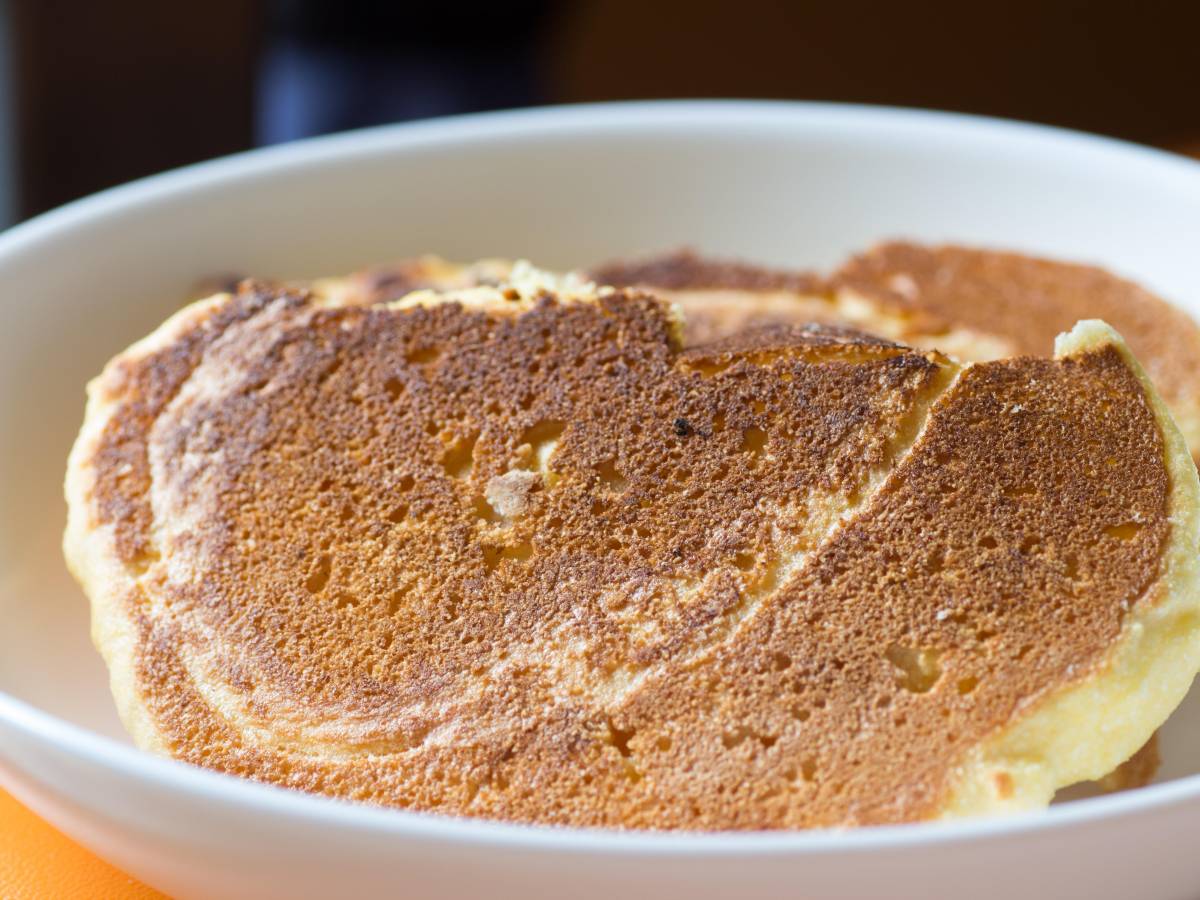
Rice yeast acid is the culprit.
Rice yeast acid is mainly produced in fermented corn flour products, deteriorated fresh tremella, long-soaked auricularia auricula and other deteriorated starch products (such as glutinous rice, sorghum, potato flour, and poorly stored rice flour and rice noodles). Why is eating sour soup a bad eating habit? This should start with its production process and method. According to reports, to make sour soup, corn dregs should be washed and soaked in cold water for ten days or even months to make it naturally ferment. When it is slightly sour, take it out and clean it, then grind it into a paste-like water surface with a water mill, control the water to make it into a ball and freeze it. When eating, put water in the pot to boil, then take out the preserved fermented corn dough to thaw, and finally squeeze it into noodles and put it in the pot to cook.
In fact, the fermentation process of corn dregs is very dangerous, because it is easily polluted by pathogenic bacteria in the environment, and one of the dangerous pathogenic bacteria is Pseudomonas cocoanum. It is widely distributed in the external environment, especially likes to move in the home-made fermented corn flour, and also likes to live in the environment such as soaking fungus at room temperature, and it is easy to produce mycotoxins. And in the production process, once bacterial contamination occurs, it is generally difficult for people to find it. For example, sour soup itself has a special sour taste, which will mask the moldy taste. For people who are not familiar with this food, it is difficult to tell whether it has gone bad. In addition, people think that high-temperature disinfection can solve all problems anyway, so they eat boldly. However, the pollution during fermentation and storage, including aflatoxin and mycotic acid, can not be destroyed by normal low-temperature freezing and high-temperature cooking.
The data show that in bacterial food poisoning, the acidotoxin of Aspergillus oryzae is one of the bacterial toxins with high mortality. In the hot and humid weather in summer and autumn, the long-term soaked auricularia and fungi (including auricularia, tremella, mushrooms, etc.), rice noodles, rice rolls (rolled rice noodles), kway teow, rice noodles (rice noodles) and other wet powders are easily contaminated by Pseudomonas cocoanum, thus producing mycotoxins and causing poisoning. Rice yeast acid is colorless and tasteless, and the food contaminated by it may have no abnormality. Its heat resistance is extremely strong, even if it is boiled with boiling water or cooked in a pressure cooker, its toxicity cannot be destroyed. After eating, it can cause poisoning and cause serious damage to important organs such as liver, kidney, heart and brain. The main clinical manifestations are epigastric discomfort, nausea and vomiting, and mild diarrhea. In severe cases, jaundice, hepatomegaly, hematemesis, unconsciousness, irritability and even shock death may occur, and the mortality rate is as high as 40%~100%.
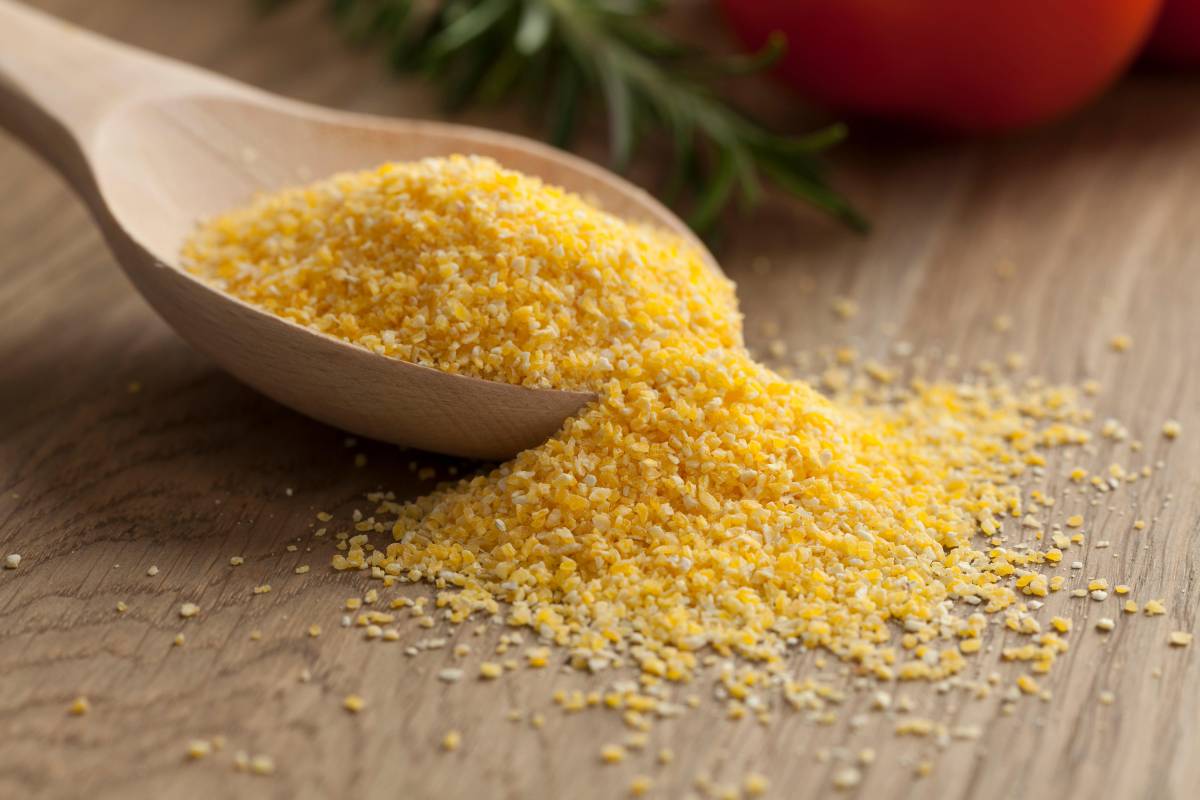
There are three ways to prevent poisoning.
At present, there is no specific detoxification drug for the acidosis of rice yeast, so we can only treat it symptomatically, and adopt methods such as vomiting, gastric lavage and catharsis to expel toxic food as soon as possible. If the poisoning is not serious, there is still a chance to rescue; If the toxin has reached various organs, the damage is often irreversible, and it is difficult for patients to survive. Therefore, prevention in peacetime is very important.
First of all, you should be especially careful when purchasing wet rice noodles such as rice noodles, rice rolls, kway teow, rice noodles and rice noodles. You should check the production date and shelf life on the original packaging of the products on the spot, and pay attention to whether the storage conditions meet the packaging labeling requirements. You should eat them in time after purchase, and generally eat them up on the same day after purchase.
Secondly, soaked fungus and tremella should be eaten in time. Soak the amount of the meal for a short time at a time, and do not eat the fungus and tremella soaked overnight. If there is odor or mucus produced by touching after soaking for a long time, it should be discarded immediately.
Thirdly, homemade cereal fermented food, do not use moldy corn and other raw materials. Especially in the hot and humid summer and autumn seasons, you must change the water frequently when soaking cereal, and pay attention to smell the smell before use; All kinds of ground cereal foods should be ventilated when stored, and attention should be paid to moisture-proof and mildew-proof.
Recently, the National Health and Health Commission issued a reminder to the public that there are risks in the production process of some traditional snacks, and people should abandon bad food customs. The main reason why fermented rice flour food can cause poisoning is the use of moldy and deteriorated raw materials. Although the chances of being contaminated by pathogenic bacteria can be reduced by selecting fresh and moldy-free raw materials and changing water frequently, the best preventive measure to ensure life safety is not to make or eat fermented rice flour food, especially fermented rice flour food for a long time, so we must eat it carefully.
This article is from Family Medicine.